
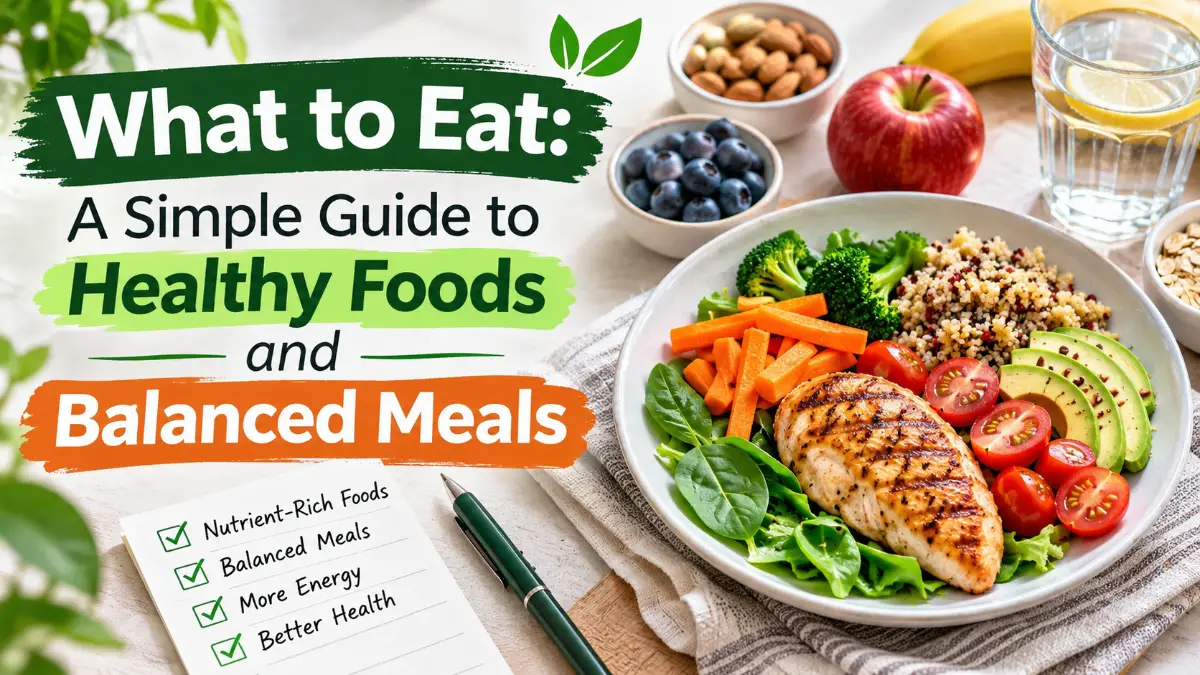
Wondering what to eat every day? Start with a mix of vegetables, fruits, protein-rich foods, whole grains, and healthy fats. Good choices include eggs, oatmeal, Greek yogurt, chicken, fish, beans, lentils, brown rice, leafy greens, berries, nuts, and seeds. These foods provide nutrients your body needs for energy, muscle function, digestion, and overall health.
You don’t need an expensive diet plan or complicated recipes to eat well. The goal is to choose nutritious foods regularly, eat portions that suit your needs, and build meals you genuinely enjoy.
The current Dietary Guidelines for Americans, 2025–2030 emphasize whole, nutrient-dense foods while recommending limits on heavily processed foods, added sugars, and excess sodium.
What Should You Eat Every Day?
A balanced diet includes different food groups because no single food provides every essential nutrient. Variety helps you get enough protein, carbohydrates, fats, fiber, vitamins, and minerals.
Here are nutritious foods to include regularly:
| Food group | Healthy choices | Main nutritional benefits |
| Vegetables | Spinach, broccoli, carrots, peppers | Fiber, vitamins, minerals |
| Fruits | Apples, berries, oranges, bananas | Fiber, vitamins, antioxidants |
| Protein | Eggs, chicken, fish, beans, tofu | Muscle maintenance and repair |
| Whole grains | Oats, brown rice, quinoa | Energy, fiber, B vitamins |
| Dairy or alternatives | Yogurt, milk, fortified soy milk | Calcium, protein, other nutrients |
| Healthy fats | Olive oil, nuts, seeds, avocado | Essential fats and nutrient absorption |
You don’t have to eat every item daily. Instead, rotate foods throughout the week to make meals more varied and enjoyable.
Best Healthy Foods to Include in Your Diet
Choosing nutritious foods becomes easier when you understand what different food groups offer.
1. Vegetables and Leafy Greens
Vegetables provide fiber, vitamins, minerals, and beneficial plant compounds. They’re also easy to incorporate into meals without spending much time cooking.
Good options include broccoli, spinach, carrots, tomatoes, cabbage, zucchini, and bell peppers.
Try adding spinach to scrambled eggs, roasting broccoli with dinner, or including a side salad with lunch.
Fresh, frozen, and canned vegetables can all be nutritious. For canned varieties, look for options with little or no added salt.
2. Fruits for Everyday Nutrition
Whole fruits provide natural carbohydrates, fiber, water, and important vitamins.
Apples, oranges, bananas, strawberries, blueberries, and pears are convenient choices.
Whole fruit generally provides more fiber than juice. Frozen fruit without added sugar is also useful for smoothies, oatmeal, and yogurt bowls.
The American Heart Association’s healthy eating recommendations encourage a varied diet rich in fruits and vegetables.
3. Protein-Rich Foods
Protein supports muscle repair, tissue maintenance, and many essential body functions.
Nutritious protein sources include:
- Eggs and plain Greek yogurt.
- Chicken and turkey.
- Salmon, tuna, and other fish.
- Beans, chickpeas, and lentils.
- Tofu and tempeh.
- Nuts and seeds.
You don’t need meat at every meal to get adequate protein. Combining different plant-based foods throughout the day can help meet your nutritional needs.
4. Whole Grains and Fiber-Rich Carbohydrates
Carbohydrates supply energy for your brain and muscles. Choosing fiber-rich options can also support digestion and help you feel satisfied after meals.
Useful choices include oatmeal, quinoa, brown rice, barley, and whole-wheat bread.
Potatoes and sweet potatoes can also fit into balanced meals, particularly when prepared with modest amounts of added salt and fat.
Rather than eliminating carbohydrates, focus on choosing nutritious sources and adjusting portions to your appetite and activity level.
5. Healthy Fats
Dietary fat supports cell function, hormone production, and the absorption of fat-soluble vitamins.
Sources of unsaturated fats include olive oil, avocados, walnuts, almonds, chia seeds, and fatty fish.
For heart health, the American Heart Association recommends replacing sources of saturated fat with unsaturated fats when practical. Its 2026 dietary guidance also emphasizes overall eating patterns rather than individual foods alone.
What to Eat for Breakfast, Lunch, and Dinner
Healthy eating doesn’t require preparing a different elaborate meal every day. A few simple combinations can provide satisfying meals while saving time.
What to Eat for Breakfast
Breakfast can include protein, fiber-rich carbohydrates, and fruit.
Easy ideas include:
- Oatmeal with berries and walnuts.
- Scrambled eggs with whole-wheat toast.
- Greek yogurt with fruit and chia seeds.
- A vegetable omelet and an orange.
- Peanut butter on whole-grain toast with a banana.
Choose a breakfast that keeps you satisfied and fits your morning routine. There is no need to force yourself to eat immediately after waking if that doesn’t suit your schedule.
What to Eat for Lunch
Lunch should provide enough energy to help you get through the afternoon.
Try grilled chicken with brown rice and vegetables, a tuna sandwich on whole-grain bread, or a chickpea and quinoa bowl.
Bean soup with whole-grain toast is another affordable option. Leftovers from dinner can also make a convenient lunch.
For meals prepared ahead of time, refrigerate perishable foods promptly and follow appropriate food-storage guidance.
What to Eat for Dinner
Dinner is an opportunity to include vegetables, protein, and satisfying carbohydrates.
Good options include baked salmon with sweet potatoes, chicken and vegetable stir-fry, lentil curry with brown rice, or tofu with roasted vegetables.
Whole-wheat pasta with vegetables and a protein source can also make a balanced meal.
The healthiest dinner isn’t necessarily the one with the fewest calories. A useful meal provides nourishment, suits your needs, and leaves you comfortably satisfied.
What to Eat When You’re Hungry Between Meals
Snacks can help manage hunger between meals, especially when there’s a long gap between breakfast, lunch, and dinner.
Consider:
- An apple with peanut butter.
- Plain yogurt with berries.
- Carrot sticks and hummus.
- A boiled egg with whole-grain crackers.
- A small handful of unsalted nuts.
- Cottage cheese with fruit.
Pairing foods containing protein or fat with fiber-rich carbohydrates can make a snack more satisfying.
If you’re not hungry, there’s no need to snack simply because it’s a certain time.
How to Build a Balanced Plate
A practical starting point is to divide your plate into three general portions:
- Half the plate: Vegetables and fruit, with an emphasis on vegetables.
- One-quarter: Protein sources such as fish, chicken, beans, or tofu.
- One-quarter: Whole grains or other nutritious starchy foods.
Add a moderate amount of healthy fat, such as olive oil or avocado, and choose water or another unsweetened drink.
This is a flexible meal-planning approach, not a mandatory portion prescription. Your nutritional needs will vary according to age, body size, activity level, health conditions, and personal goals.
Foods and Drinks to Limit
Healthy eating is about your overall pattern, not avoiding every treat.
Still, consuming certain foods frequently can make it harder to maintain a nutritious diet.
Try limiting sugary drinks, heavily salted snacks, processed meats, and packaged sweets that contain substantial added sugar.
You can also compare Nutrition Facts labels when choosing packaged foods. Look at serving sizes and amounts of added sugar, sodium, and saturated fat.
The MedlinePlus dietary guidance provides practical advice on choosing vegetables, fruits, protein sources, and other everyday foods.
Occasional desserts or convenience meals can fit into a balanced diet. What matters most is what you eat consistently over time.
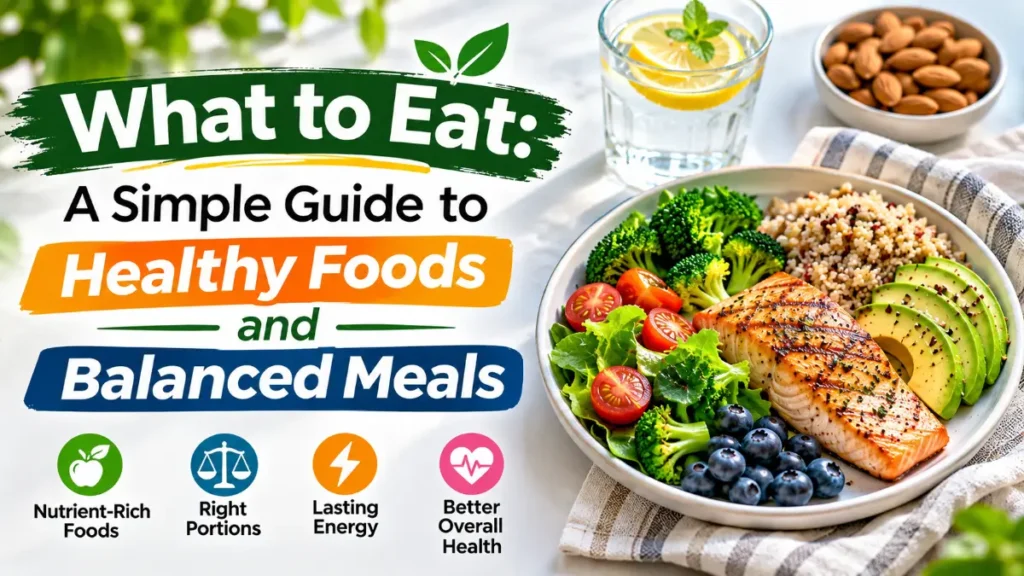
How to Choose What to Eat for Your Goals
Your ideal meals may change depending on your lifestyle and nutritional priorities.
For weight management, focus on satisfying meals containing protein, fiber-rich foods, and appropriate portions. Extreme restrictions are usually unnecessary.
For muscle building, include protein throughout the day and eat enough overall to support training and recovery.
For more consistent energy, choose balanced meals rather than relying mainly on sugary drinks or refined snacks.
People with diabetes, kidney disease, food allergies, pregnancy-related nutritional needs, or other medical conditions may require individualized dietary guidance from a qualified healthcare professional.
Read also: Burnt Toast Theory: Meaning, Psychology, Examples, and Life Lessons
Frequently Asked Questions
1. What are the healthiest foods to eat every day?
Vegetables, fruits, beans, whole grains, nuts, seeds, and nutritious protein sources are excellent everyday choices. A varied diet is more beneficial than relying on a single food.
2. What should I eat when I don’t know what to eat?
Choose one protein, one vegetable, and one nutritious carbohydrate. For example, try eggs with whole-grain toast and tomatoes, or chicken with rice and broccoli.
3. What should I eat to lose weight?
Focus on filling meals with vegetables, protein, and fiber-rich foods while maintaining an appropriate overall calorie intake. Sustainable eating habits are generally more useful than restrictive crash diets.
4. Is it healthy to eat the same meals every day?
Repeating meals can be convenient, but eating a variety of foods helps provide a broader range of nutrients. You can keep familiar meal combinations while changing fruits, vegetables, grains, and protein sources.
5. What should I drink with meals?
Water is a good everyday choice. Unsweetened tea, plain milk, and fortified unsweetened milk alternatives may also fit your nutritional needs. Limit sugary beverages when possible.
